

Multi Entity Management AppSource icon

Multi Entity Management

Real-time master data replication across companies and environments

Multi Entity Management is an advanced master data management solution for Microsoft Dynamics 365 Business Central, built to help organizations with multiple entities or complex corporate structures work smarter.

With real-time replication and centralized control, Multi Entity Management makes it easy to distribute and consolidate master data across companies, environments, versions, and localizations.
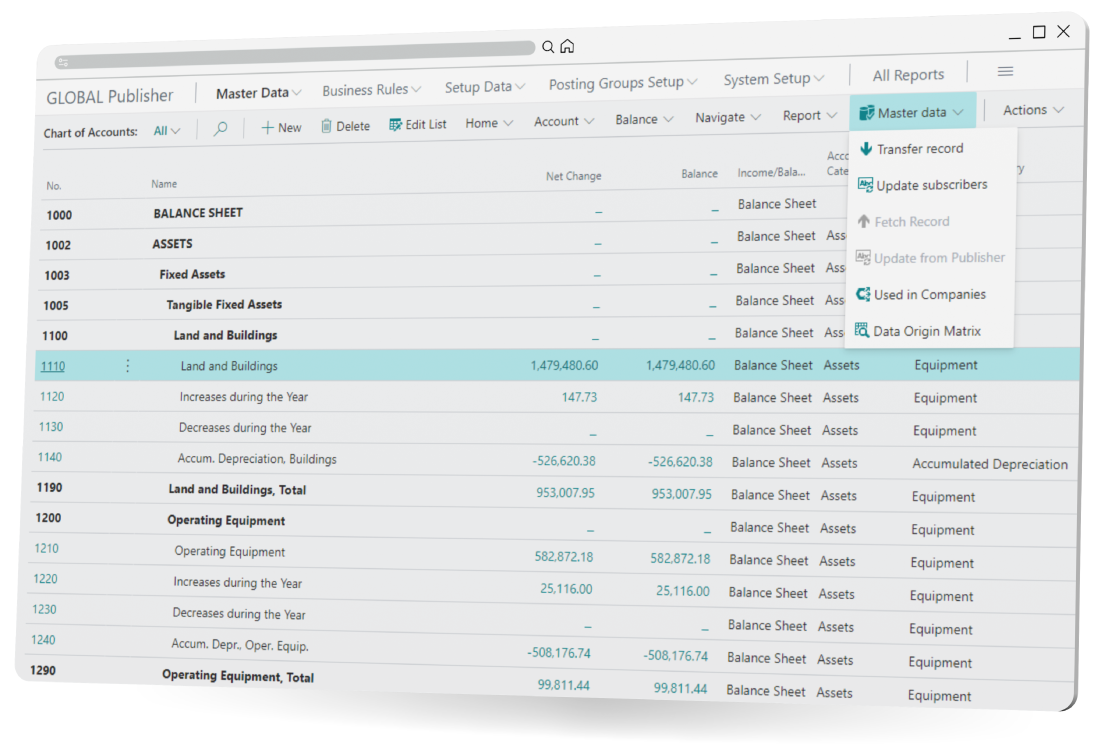
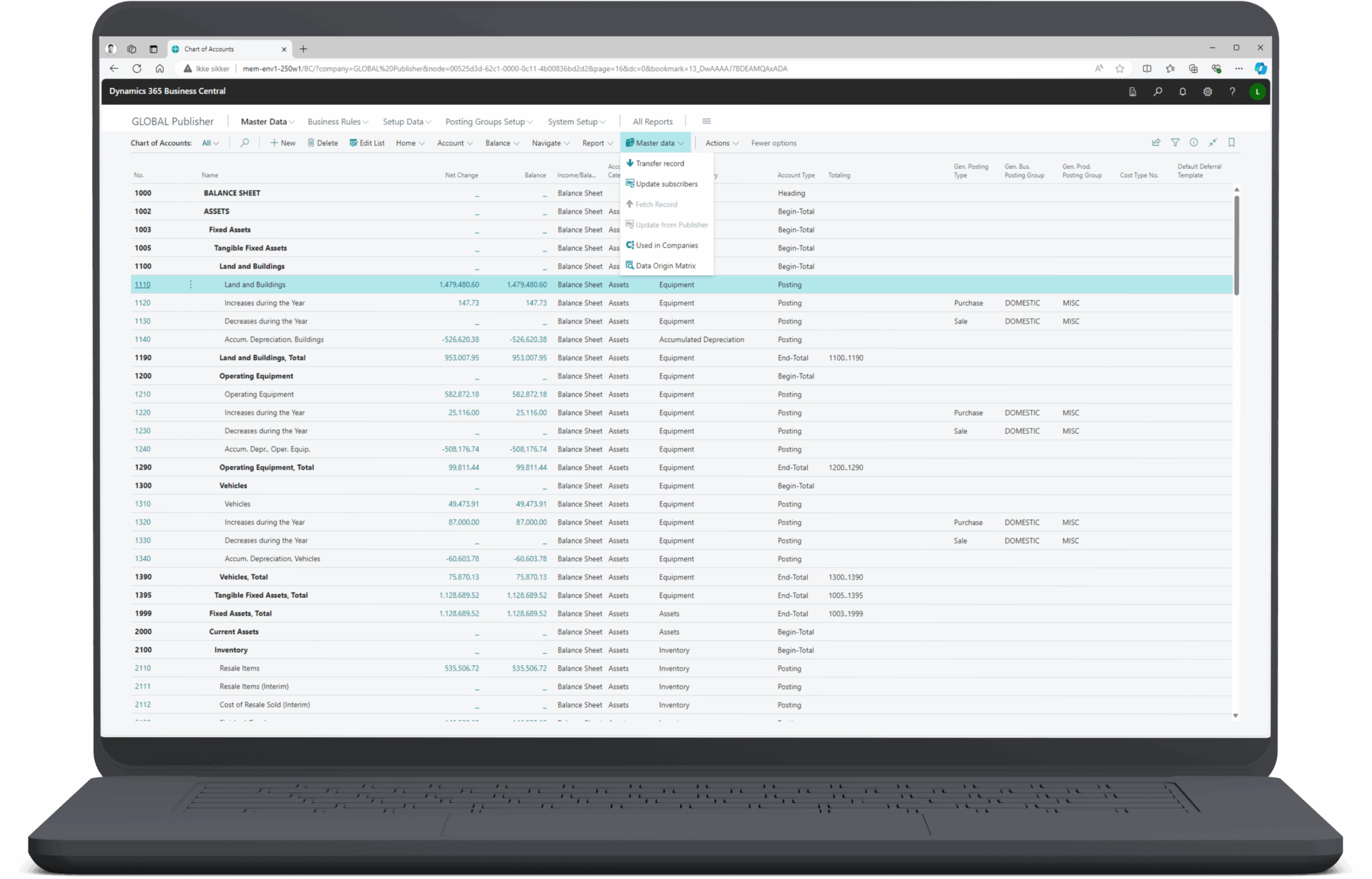
Business Central Multi Entity Management mockup

Productsheet

Read our Multi Entity Management Productsheet

Free trial

Download a free trial of Multi Entity Management

Order here

Get a quote or place an order for Multi Entity Management

Pricelist

Get an overview of Multi Entity Management packages
Comwell background image

ELBEK & VEJRUP SUCCESS STORY

Elbek & Vejrup and Comwell case

With 15 hotels to manage in Microsoft Dynamics 365 Business Central, Comwell, a hotel chain operating in Denmark with a strong focus on quality, sustainability, and consistent guest experiences, searched for a financial master data solution to reduce manual work, improve data quality, and support efficient financial operations.

To solve this, Comwell partnered with Elbek & Vejrup - one of Denmark’s leading Microsoft Dynamics 365 Business Central partners - and implemented “Multi Entity Management” from XtensionIT.

Added value

Data are managed in one place

Data are replicated when the data are created or edited

All managed data are aligned across entities

Using replication schemas to the initial setup

Financial consolidation of multi entity entries

Functionality

  • Auto replication when inserting and modifying
  • Manually Push or Pull data transfer
  • Replication of associated records
  • Translations on Item description
  • LCY price handling on items
  • Replication of default dimensions
  • Replication of Item attributes
  • Seamless cross-company item synchronization

Overview

Publisher can publish data to entities in both internal and external environments

Distributors can subscribe and publish data

Subscriber will receive data from different Publishers or Distributors

Publish data to external environments with different Business Central versions and localization

Consolidate data from multiple companies into a reporting company
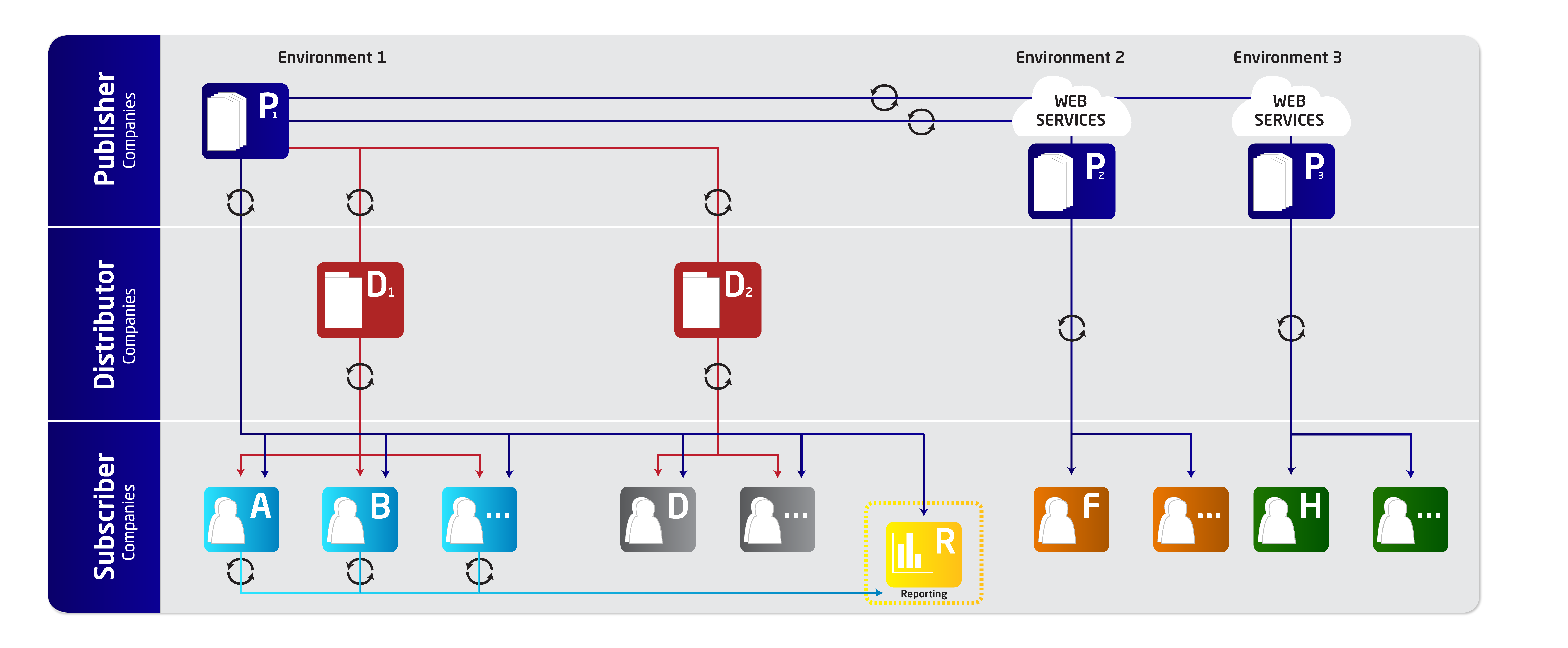
Multi Entity Management overview

What is masterdata and Multi Entity Management?

Masterdata refers to fundamental information used across an organization. When data comes from different sources, challenges such as duplicates and differing definitions of identical products/information can arise. Therefore, it's crucial to have control over master data management to ensure everyone has access to accurate and consistent information within the organization.

That's precisely what Multi Entity Management provides - our extension to Microsoft Dynamics 365 Business Central allows you to create synergy across your entities. Multi Entity Management is integrated with Microsoft Dynamics, enabling you to experience optimized business processes and much higher efficiency in managing your masterdata.
Multi Entity Management illustration
XtensionIT marketing photo

Stay up to date with Business Central Tips & Tricks, monthly updates and much more

Get expert tips, product updates, and best practices for Microsoft Dynamics 365 Business Central Extensions straight to your inbox.

  • Best practices for optimizing your Business Central setup with tips & tricks
  • Business Central webinars and seminars
  • XtensionIT updates on new features, partners & integrations

Sign up today and start receiving our Business Central newsletter
Optimization and importance of master data management

In a company's complex ecosystem, master data, also known as reference data, plays a crucial role. Basic information about customers forms the core of business processes such as procurement, logistics, sales, marketing, finance, and HR. To ensure smooth and efficient operations, it is essential to implement management and control of master data so that the information is always updated and synchronized.

Today, companies rely on multiple systems and platforms to conduct their business. Problems typically arise if these systems are not properly integrated. This results in multiple versions of the same information, leading to outdated, inconsistent, and incomplete data that requires significant manual cleanup.

Poor data management not only causes internal complications but also affects external stakeholders such as customers, suppliers, and partners. Errors such as lost orders, billing issues, and incorrect deliveries undermine credibility and ultimately result in fewer customers in the store.
XtensionIT marketing photo 3

What is Data Governance?

Data Governance is a set of rules within master data management. It's a crucial discipline within master data management, focusing on establishing guidelines and responsibilities for the governance, control, and quality assurance of master data. This practice ensures that the company has clear processes for collecting, updating, and sharing master data.

By implementing effective Data Governance, the foundation for reliable and consistent master data is strengthened, which is crucial for successful master data management. An effective Data Governance strategy facilitates coordinated and systematic oversight of data-related decisions across the organization. By addressing risks associated with data, Data Governance ensures confidentiality, integrity, and availability of information. At the same time, it creates transparency around data administration, producers, and users.

FAQ

Multi Entity Management is an extension for Microsoft Dynamics 365 Business Central designed to manage and replicate master data across multiple companies and environments. The solution enables centralized control and synchronization of master data within complex organizational structures.

Master data refers to core data used across business processes, such as items, customers, vendors, prices, dimensions, and attributes. In Microsoft Dynamics 365 Business Central, master data is used across finance, sales, purchasing, logistics, and reporting.

When multiple companies or entities operate in Business Central, the same master data often exists in several versions. Without structured management, this can lead to inconsistent data definitions and increased manual maintenance. Master data management provides control and structure for handling shared data across entities.

Multi Entity Management supports both automatic and manual replication of master data. Data can be pushed or pulled between companies, and replication can occur when records are inserted or modified.

Yes. The solution supports real-time replication of master data when records are created or modified.

Yes. In addition to automatic replication, Multi Entity Management allows users to manually initiate data transfer by pushing or pulling data between companies.

Multi Entity Management supports replication of item description translations, ensuring that translated item data can be synchronized across companies.

The solution supports replication of default dimensions, allowing dimension setups to be aligned across companies where required.

Yes. Multi Entity Management is an extension built specifically for Microsoft Dynamics 365 Business Central and operates within the Business Central environment.

Peter Sørensen XtensionIT
Peter Sørensen
Consultant
We are an innovative software developer focused on integrations for Business Central. Our solutions, built on Microsoft Dynamics 365 Business Central enhances our customers needs and optimizes their business processes in Business Central.
+ 45 32 42 66 34 info@xtensionit.com
© XtensionIT A/S 2026
CVR 35480730